People-First Leadership in Critical Power | PowerChampions
In critical power, reliability is everything. Customers expect generators to start, technicians to respond, parts to arrive, and problems to be solved when failure is not an option. Yet behind every reliable system is something even more important: people.
For years, much of the conversation about growth in the generator service and electrical contracting industries has focused on equipment, geographic expansion, technology, and access to capital. Those factors matter, but they are not enough to build a business that lasts.
The companies positioned to lead the next generation of critical power will develop skilled technicians, build strong leaders, create accountable cultures, and put the right systems in place for their people. Growth becomes far more sustainable when the organization scales alongside revenue.
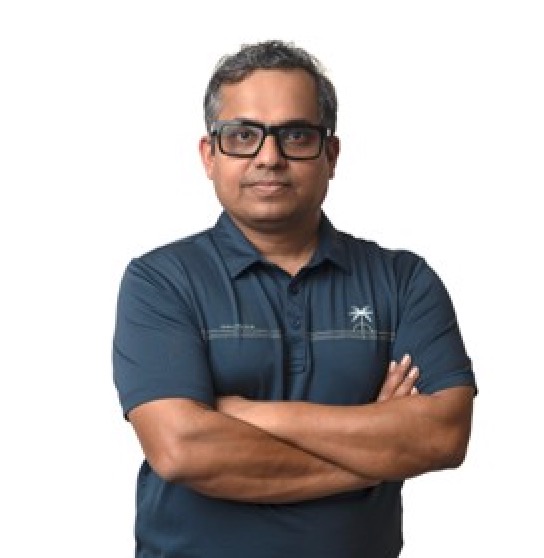
PowerChampions Founder and CEO Ashish Achlerkar will explore this idea during his session, “People First, Power Always: Why People-Centric Business Building Matters in Critical Power,” at the EGSA Fall Conference on Sept. 14. His message is straightforward: People strategy is business strategy. For owners considering growth, succession, or the future of the company they have spent years building, investing in people may be one of the most important investments they make.
Growth Can Expose What a Business Has Not Built
Many owner-operated companies in the trades reach a point where demand begins to outpace the organization. The founder remains involved in too many decisions. A handful of senior technicians hold most of the technical knowledge. Managers were promoted because they were excellent at the work, but they may never have been taught how to lead people. Training happens informally. Processes may live in someone's head rather than in a system. That can work for a long time. It becomes much harder as the business grows.
More customers mean more technicians. More technicians require more support. Additional locations create greater communication and consistency challenges. What once could be managed through personal relationships eventually requires stronger processes, leadership, and accountability.
Growth does not necessarily create these weaknesses. It reveals them. For business owners considering expansion, outside capital, succession, or an eventual transition, that distinction matters. The question is not simply, "How large can this company become?" A better question is, "What are we building beneath the growth?"
Technician Development Is Business Development
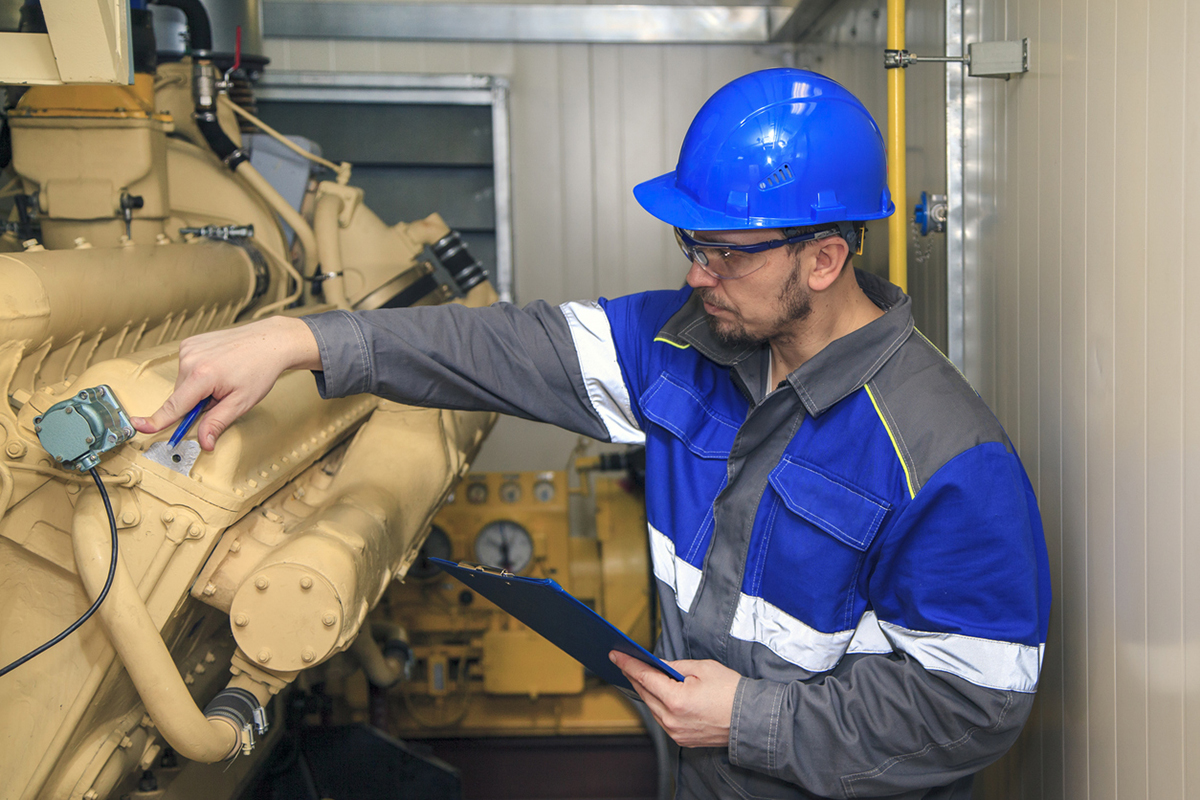
In critical power, the technician is often the company's face. Customers may interact with the salesperson occasionally and may know the owner or service manager. But the technician is the one who walks into the hospital, manufacturing facility, data center, or commercial building when something goes wrong. That makes technician development much more than a workforce issue.
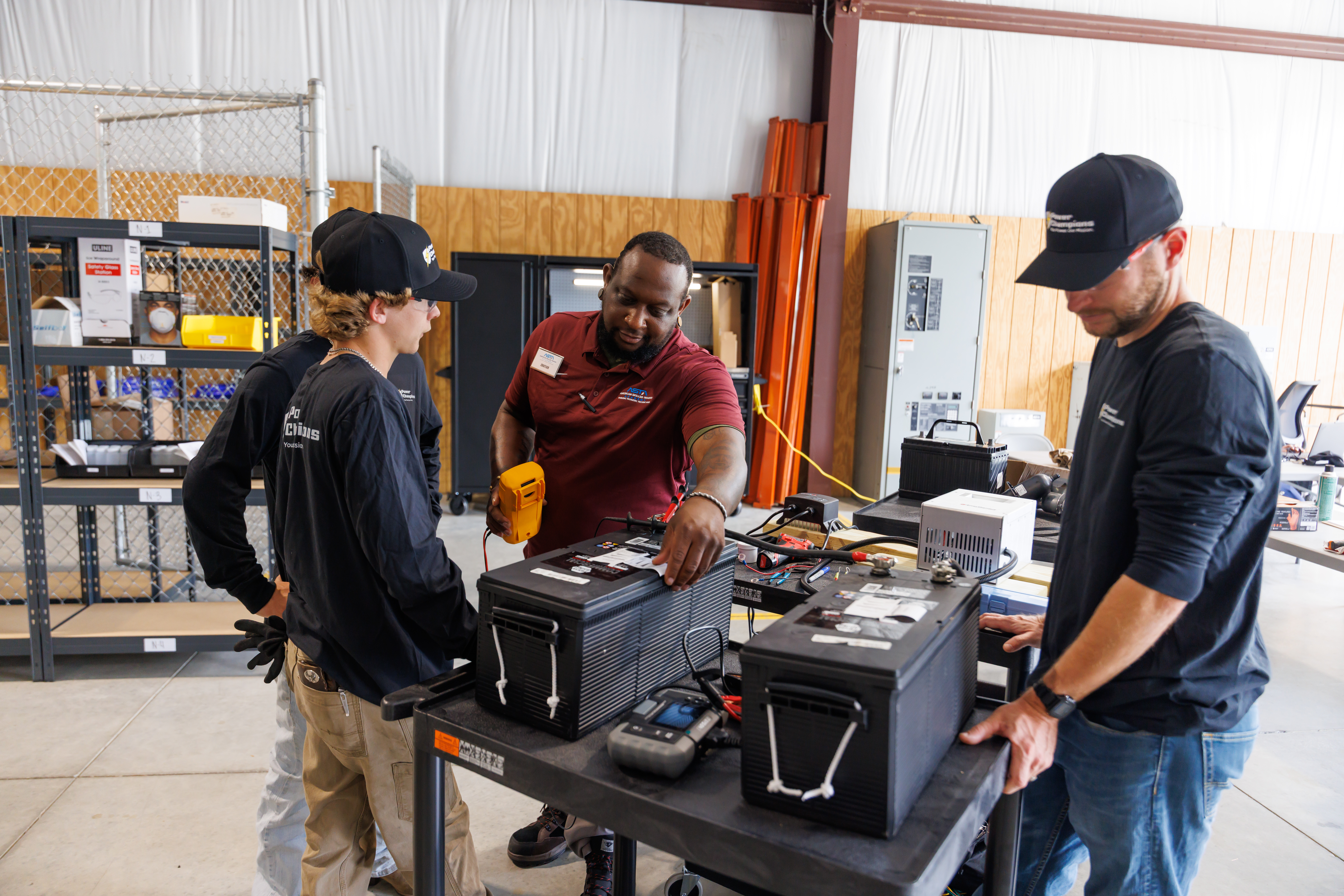
Training improves safety and diagnostic ability. It gives technicians the confidence to make better decisions in the field. It creates consistency in how work is performed and how customers are treated. Just as importantly, development gives people a reason to see the trades as a career rather than simply a job. The industry cannot solve its talent shortage by recruiting more people alone. We also have to build an environment where talented people want to stay, learn, and grow.
People First Does Not Mean Performance Second
Some may think a people-first company is less demanding. The opposite should be true. Strong people-first leadership creates clearer expectations, greater ownership, and more accountability. Employees should understand what the company expects of them, how their work affects the customer, and where they have authority to make decisions.
Leaders also have responsibilities. They must communicate clearly, address problems directly, recognize strong performance, and give employees the tools and training necessary to succeed. Culture is not about making every day easy. It is about creating an organization where people understand what winning looks like and believe they have a meaningful role in achieving it. That kind of clarity improves performance.
Preserving Legacy While Building for the Future
This becomes especially important for owners considering succession or a future transition.
Many generator service companies and electrical contractors were built over decades. Their names carry meaning in their communities. Employees have worked alongside owners for years. Customers may have relationships that span generations. Those things have value.
A transition should not automatically mean replacing what made a company successful. It should create an opportunity to strengthen it. That belief is central to how Ashish Achlerkar approaches business building.
As a serial entrepreneur focused on the trades, Ashish believes growth should create opportunities for employees, additional capabilities for customers and long-term value for business owners while respecting the history and identity of the companies being built. It is also an important part of the thinking behind PowerChampions.
Rather than simply partnering with generator service companies and bringing them under a larger organization, the goal is to build on the strengths that already exist locally. That means investing in training. Developing leaders. Improving systems. Expanding resources. Creating career paths. Giving local teams more capability while preserving the relationships, reputation, and entrepreneurial spirit that made the business successful in the first place. It is a different approach to scale. The goal is not simply to become bigger.
The goal is to help good businesses become stronger businesses.
Building Companies That Can Outlast Their Founders
For many owners, legacy isn't just the name on the building. It is about what happens to employees after a transition. It is about whether customers continue receiving the level of service they have come to expect. It is about whether future leaders carry forward the values that helped build the company. A truly valuable business should be able to thrive beyond any one person.
That requires leadership depth. It requires systems. It requires training. And it requires a culture where people understand both their responsibilities and their opportunities. Capital can accelerate a business. Technology can make it more efficient. Systems can create consistency.
But people ultimately make all of those investments work.
The critical power industry has an opportunity to think differently about how companies grow, how owners transition, and how the next generation of tradespeople is developed. The businesses that get this right will not have to choose between people and performance, or between legacy and growth. They can build both.
Your Power. Our Mission.
%20(1).png)
.webp)